West Nusa Tenggara (a.k.a Nusa Tenggara Barat – NTB) comprises the western portion of the Lesser Sunda Islands, with the exception of Bali, which is its own province. Based on analysis of prehistoric objects found (i.e complex sarcophagi, decorated stoneware, machetes, and axes), West Nusa Tenggara had previously been inhabited by people whose origins were traced from Southeast Asia.
Discover Lombok History
West Nusa Tenggara (a.k.a Nusa Tenggara Barat – NTB) comprises the western portion of the Lesser Sunda Islands, with the exception of Bali, which is its own province. Mataram, is the capital, and also the largest city on Lombok The two largest island in the province are Lombok in the west, and Sumbawa (a.k.a East Nusa Tenggara) in the east.
Based on analysis of prehistoric objects found (i.e complex sarcophagi, decorated stoneware, machetes, and axes), West Nusa Tenggara had previously been inhabited by people whose origins were traced from Southeast Asia.
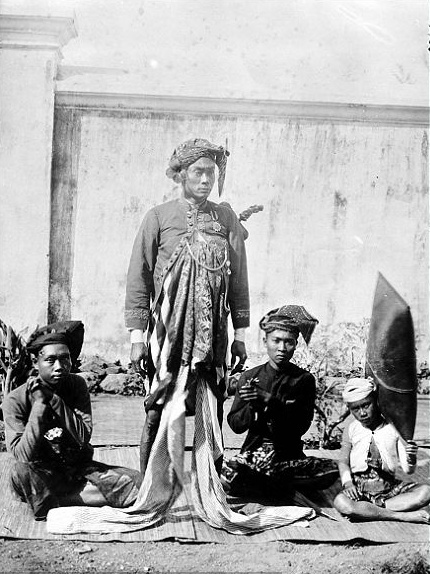
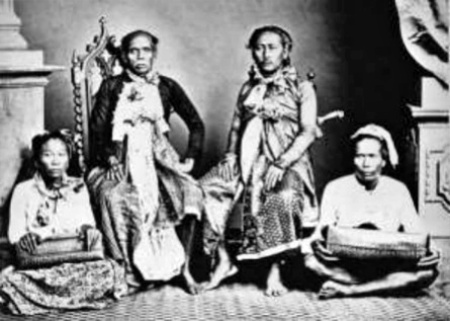
The natives in Lombok are called the Sasak people. Most of whom live on the island of Lombok. The early settlers that assimilated with the natives, were the wave of migrants from Bali, Makassar, Java, Kalimantan, Maluku and East Nusa Tenggara.
The existence of this region can be traced from the 14th century Majapahit Empayar that conquered all the kingdoms located on the islands of both Lombok and Sumbawa. Hence, the strong influence of Hinduism. Many artifacts of Hindu culture are visited by throngs of tourists i.e Pura Batu Bolong, Pura Meru and Pura Suranadi.
The influence of Hinduism began to decrease with the collapsed of the Majapahit empayar. Thus, the influence of Islam with the spread of Islamic teachings in West Nusa Tenggara. Islam became the official religion of the kings in West Nusa Tenggara.
Today, the historical legacy of Lombok is more vibrant than ever — a testament to its timeless grace and beauty.
Today, the historical legacy of Lombok is more vibrant than ever — a testament to its timeless grace and beauty.